How Soon Can You Return to Work After Liposuction Michigan?
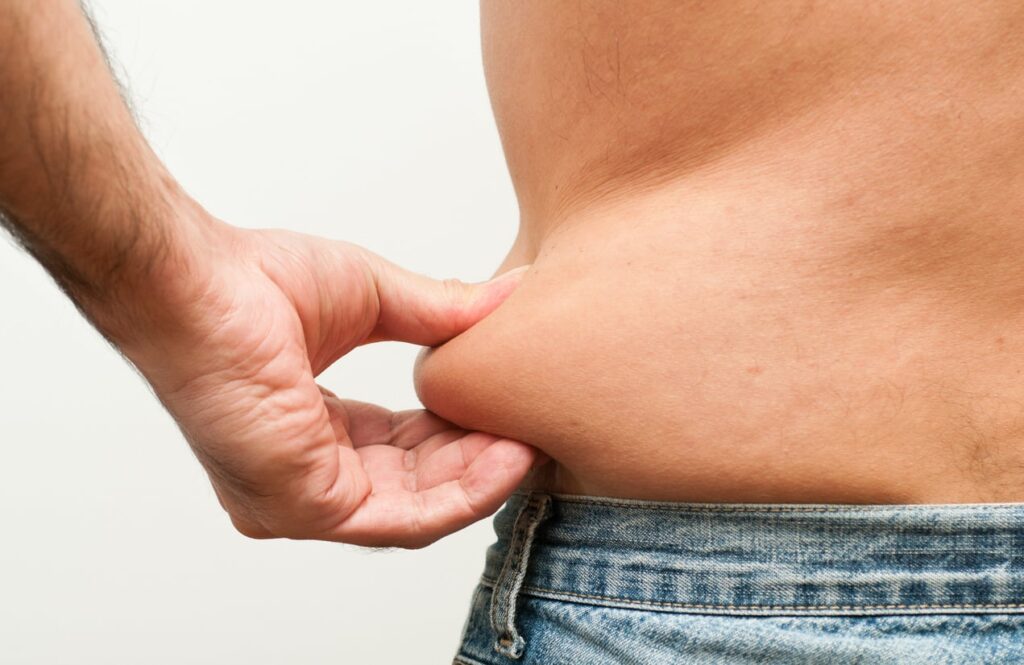
For most patients, the honest answer is this: you may feel well enough to answer emails or take a phone call within a couple of days, but returning to work comfortably and safely usually takes anywhere from a few days to two weeks, depending on what kind of job you do, how much liposuction you had, and how your body heals.
That wide range frustrates people, especially professionals trying to coordinate PTO, childcare, and deadlines. I understand why. Patients often come into consultation hoping for a simple, universal rule, something like “three days off and you’re fine.” Real recovery does not work that way. Liposuction is common and often very manageable, but it is still surgery. Your body has to deal with swelling, soreness, fluid shifts, compression garments, fatigue, and the practical reality that sitting, standing, driving, and moving all feel different for a little while.
If you are planning Liposuction Michigan and trying to estimate when you can get back to work, it helps to think less in terms of calendar days alone and more in terms of job demands. A person who works remotely on a laptop from home has a very different recovery timeline than someone who lifts patients, stocks shelves, waits tables, or spends ten hours a day on their feet.
The return-to-work timeline most people can expect
For small-volume liposuction in a limited area, many patients with desk jobs can return in roughly three to seven days. Some go back sooner, especially if they work from home and can wear loose clothing, stand up often, and take short breaks. Others need a full week because swelling, drainage, and fatigue catch them off guard.
For more extensive treatment, or liposuction involving multiple body areas, a seven- to fourteen-day window is often more realistic before returning to a conventional work schedule. If your job is physically demanding, your surgeon may advise an even longer delay before full duty. That does not necessarily mean you are bedridden for two weeks. It means your body may not be ready for lifting, repetitive bending, brisk walking all day, or prolonged standing Liposuction Michigan without increased swelling and discomfort.
One of the most common surprises is not pain, but energy level. Pain after liposuction is often described more as deep soreness, tenderness, tightness, or a bruised feeling than sharp surgical pain. The fatigue can be more limiting than expected. Even patients who feel mentally alert may notice that by early afternoon, they are depleted. That matters if your work requires concentration, meetings, client interaction, or a commute.
Why your job matters more than the calendar
When patients ask how soon they can return to work after Liposuction Michigan, I usually ask them to describe an average workday in detail. “Desk job” can mean very different things. One person sits in a private office with flexible hours and a short commute. Another commutes an hour each way, climbs stairs, attends back-to-back meetings, and has no privacy to adjust a compression garment or manage mild postoperative drainage.
A remote accountant in a loose sweater and elastic-waist pants may resume light work quickly. A dental assistant, preschool teacher, warehouse employee, nurse, hairstylist, or restaurant server may need significantly more time. Those jobs involve standing, twisting, reaching, lifting, and staying “on” socially for long stretches. Recovery tends to feel longer when you cannot control your pace.
The body area treated matters too. Liposuction of the abdomen and flanks can make sitting upright, rising from a chair, and driving more uncomfortable for the first several days. Inner thigh liposuction can make walking awkward at first. Arm liposuction may not stop desk work, but if your job requires repetitive upper body movement, you will notice it. Lower back or circumferential treatment can make almost everything feel stiffer.
What the first week often feels like
Patients usually do best when they expect a recovery that is manageable but not effortless. The first twenty-four to forty-eight hours are often the most inconvenient. Depending on technique and your surgeon’s protocol, some drainage from the tiny incision sites can occur. Compression garments need to stay on as instructed. You may feel swollen, puffy, and not especially eager to put on work clothes and commute.
By days three through five, many people feel more mobile. That does not mean they feel normal. They often move more slowly, tire more quickly, and still need regular breaks. Bruising may be at its peak during this period. Swelling can fluctuate, especially later in the day. If you have ever had a demanding week where your body felt fine in the morning and markedly different by 4 p.m., that pattern is common during liposuction recovery too.
By the end of the first week, desk workers often feel capable of resuming a lighter version of their routine, provided they can avoid rushing. For physically demanding work, this point is often still too early for full duty.
Weeks two through four usually bring meaningful improvement. You are still healing, still swollen to some degree, and still not ready for every activity, but many people feel much more like themselves. This is often when a person who took a conservative amount of time off says, “I’m glad I didn’t try to power through sooner.”
A practical way to plan time off
If you are trying to schedule surgery around work, the safest approach is to build in more cushion than you think you will need. Patients almost never regret taking an extra couple of days. They do regret promising a return date that turns out to be too ambitious.
Here is a reasonable planning framework for many patients:
- Remote or very flexible desk work often allows a return in about three to five days.
- Standard office work with commuting usually fits better at five to seven days.
- Jobs requiring prolonged standing or frequent walking often need seven to ten days.
- Physically strenuous work may require ten days to two weeks, sometimes longer.
- If multiple areas were treated or the volume was larger, add extra margin rather than less.
These are broad estimates, not guarantees. A healthy patient having limited abdominal liposuction may bounce back quickly. Another patient having circumferential torso and thigh treatment may need more time, despite being motivated and otherwise well.
The factors that can shorten or lengthen your downtime
Extent of treatment is one of the biggest variables. Small, focused areas tend to be easier to recover from than extensive contouring of several zones. The amount of tissue treated affects swelling, soreness, and overall stress on the body.
Your baseline health matters too. People who are well hydrated, reasonably fit, nonsmokers, and generally healthy often tolerate recovery better. That does not mean athletes are immune to downtime. In fact, very active patients can become frustrated because they expect their conditioning to erase normal surgical fatigue. It does not.
Age can influence recovery, but not always in the way people assume. I have seen patients in their forties and fifties recover smoothly because they followed instructions carefully and respected limitations, while younger patients struggled because they tried to resume too much too soon.
Pain tolerance is only part of it. Even if discomfort is mild, compression garments can feel awkward, sleeping positions may be limited, and swelling can make your usual clothes fit differently. If your workplace dress code is rigid, this can become a practical obstacle. A person in scrubs or business casual often has an easier time than someone expected to wear fitted trousers, a pencil skirt, or a uniform with no flexibility.
The length and difficulty of your commute matters more than most patients realize. A short drive is one thing. An hour in traffic, followed by a long walk from a parking structure, is something else. If your job could theoretically be done at a desk in four days but getting there feels miserable, your “return to work” timeline should reflect that reality.
Returning too early can slow you down
There is a strong cultural habit of treating surgery recovery like a test of discipline. Some patients feel pressure to prove they are tough, committed, or indispensable. That mindset causes trouble. Going back too early does not usually create a dramatic medical crisis, but it can increase swelling, amplify fatigue, make pain harder to manage, and leave you feeling miserable by the end of the day.
I remember one patient with a corporate role who returned on day three after abdominal and flank liposuction because she had a board presentation she did not want to miss. She made it through the meeting, but by evening she was far more swollen, exhausted, and uncomfortable than she had been the day before. She spent the next two days essentially catching up on the recovery she had postponed. The surgery outcome was fine, but the week was harder than it needed to be.
That pattern is common. The issue is not only what you can technically do. It is what your body can tolerate without paying for it later.
What helps you get back to work sooner, and more comfortably
A smoother return starts before surgery. Good preparation makes a real difference. If you have the option, arrange your procedure so that the first several recovery days fall before a weekend or during a lighter work period. Prepare meals in advance, set up a comfortable recovery area, and plan clothing that works with compression garments.
The patients who tend to have the easiest transition back to work usually do a few simple things well:
- They walk gently and regularly, without trying to “exercise” too soon.
- They stay on top of hydration, nutrition, and rest.
- They wear their compression garments exactly as directed.
- They avoid unnecessary lifting, rushing, and long stretches in one position.
- They ask for temporary work flexibility instead of pretending they will need none.
That last point deserves emphasis. If you can work from home for a few days, start later, leave earlier, or split your day, ask. A modest accommodation often means the difference between a manageable week and a miserable one.
The role of compression garments at work
Compression garments help support tissues and manage swelling, but they also shape the return-to-work experience. Some are discreet under loose clothing. Others feel bulky, warm, and noticeable, especially if the weather is hot or your workplace attire is fitted.
Patients often underestimate how often they will want to readjust, use the restroom carefully, or simply stand up and move around. If your work environment is private and flexible, no problem. If you are in a customer-facing role with a strict uniform and limited breaks, this becomes a bigger issue.
For Michigan patients, the season can matter too. Recovering in winter often makes layered clothing easier and more forgiving. Summer recovery can be less comfortable if you are wearing compression under business clothes in humid weather. That does not change healing in a medical sense, but it can affect how ready you feel to be out in public all day.
Work from home is not the same as back to normal
This distinction matters. Many patients say, “I went back to work after four days,” but when you ask what that looked like, they mean they logged onto their laptop from a recliner, wore loose clothes, muted themselves between calls, and took breaks whenever they wanted. That counts as working, but it is not equivalent to a full return to a commuting office or active job site.
If your employer offers hybrid work, it can be ideal after Liposuction Michigan. A few days of home-based work lets you test your stamina without adding the stress of getting fully dressed, driving, parking, and sitting through a full day away from home. It is often the best bridge between surgical recovery and normal professional life.
When physical jobs require extra caution
If your job involves lifting, pulling, pushing, climbing, restraining patients, carrying children, or repeated bending and twisting, a rushed return can be especially uncomfortable. It may also conflict directly with your surgeon’s restrictions. This is where patients sometimes run into frustration because they feel subjectively “fine” but are not yet cleared for what their work actually demands.
Healthcare workers are a good example. A nurse may feel mentally ready to return after several days, but a twelve-hour shift with transfers, repositioning, and constant movement is a different reality. The same goes for construction workers, movers, fitness instructors, retail staff during holiday season, and anyone whose workday is measured in steps and strain rather than emails answered.
If this is your situation, talk with your surgeon before scheduling surgery, not after. Ask specifically whether light duty is possible, how long lifting restrictions typically last, and whether your treatment plan changes the estimate.
Signs you are probably ready to go back
Readiness is not a single feeling. It is a combination of comfort, stamina, mobility, and practicality. Most people are reasonably ready to return to work when they can move around the house without much difficulty, manage discomfort with minimal medication, tolerate wearing the compression garment during the day, and stay upright for several hours without feeling drained.
Driving matters too. If you cannot sit comfortably, twist enough to check blind spots, or react normally without pain, you are not ready for a commute. This is one reason some patients who would otherwise be ready for office work choose to work remotely for a few extra days.
There is also the simple test of a trial morning. Get up at the time you would for work, shower if permitted, put on the sort of clothes you would wear, eat breakfast, and stay active for several hours. If that leaves you feeling reasonably normal, you may be close. If you are wiped out by lunchtime, you probably need more recovery time.
A word about expectations and final results
Some patients delay returning to work because they are worried they still look swollen. That is understandable, but it helps to separate social comfort from medical readiness. Swelling after liposuction is normal and often lasts for weeks, with subtle improvement continuing beyond that. You do not need to wait until you “look done” to go back to work. Most people return well before final contour changes are visible.
At the same time, visible swelling can affect clothing fit. If your wardrobe is tailored, plan ahead. A looser backup option can spare you a stressful morning. This sounds minor until you are standing in front of a closet realizing your usual pants do not feel good over a compression garment.
The best question to ask your surgeon
Instead of asking only, “When can I go back to work?” ask, “Given my specific job, what would you consider a realistic return date, and what restrictions should I expect?” That question produces better guidance.
Bring details. Say whether you sit most of the day, lift more than twenty pounds, supervise children, stand for hours, drive long distances, or need to wear a particular uniform. A good surgeon will tailor advice to that reality. Generic recovery estimates are useful, but personalized guidance is what actually helps you plan your leave.
What most patients in Michigan should take away
If you want the short version, here it is. Many desk-based patients can return to work within several days to a week after liposuction. More extensive procedures and physically demanding jobs often require closer to one to two weeks, sometimes more. The smartest plan is not the fastest possible return. It is the one that lets you Liposuction Michigan heal well, keep swelling under control, and resume work without feeling like you are dragging your body through the day.
People considering Liposuction Michigan often focus on the procedure itself, but the recovery logistics shape the experience just as much. Give yourself margin. Arrange flexibility if you can. Respect that healing takes energy even when pain is modest. Patients who do that usually have a smoother first week and a much more comfortable transition back to normal life.
Aesthetic Plastic Surgery & Laser Center, Michelle Hardaway M.D.
27920 Orchard Lake Rd, Farmington Hills, MI 48334, United States
+1 248-221-1957
FAQ About Liposuction Michigan
Is 55 too old for liposuction?
Age 55 alone does not determine suitability. A surgeon evaluates overall health, skin quality, healing risks, and realistic goals. A personal consultation is needed to assess candidacy and discuss alternatives.
What happens 10 years after liposuction?
Contour improvements can last, especially with stable weight. Aging, pregnancy, and weight changes can alter the appearance over time. Results vary, and liposuction does not prevent future body changes.
Can lipo get rid of an apron belly?
Liposuction reduces localized fat but does not remove hanging excess skin. An apron belly may require assessment for a skin-removal procedure instead of, or alongside, fat removal. A qualified plastic surgeon can explain appropriate options and their risks.